




-
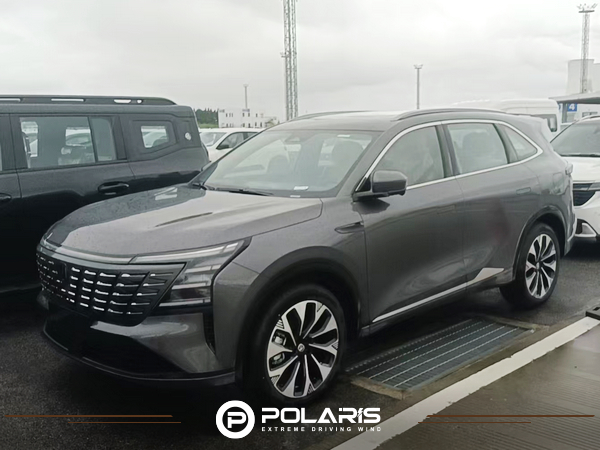
On May 26, 2025, CRUKING exported one POLARISE X7 electric SUV to Mexico.
 Mar 12, 2026
 -
On April 18, 2025, CRUKING exported one POLARISE X6 electric SUV to Kazakhstan.Mar 12, 2026
-
On March 12, 2025, CRUKING exported one POLARIS X5 electric SUV to Saudi Arabia.Mar 12, 2026
-
CRUKING exported one PLOARIS X7 electric SUV to the United Arab EmiratesMar 12, 2026
-
CRUKING exported onePLOARIS EX5 electric SUV to NorwayMar 12, 2026
Jul 30, 2026
 334
334
HYUNDAI Motor Group has officially launched its first independently operated integrated “waste-to-hydrogen and hydrogen refueling” facility—HTWO ENERGY Cheongju. Located in Cheongju, South Korea, the project utilizes local wastewater sludge to produce hydrogen, establishing a localized hydrogen production and supply system that reduces transportation costs and improves hydrogen supply efficiency.
HTWO ENERGY Cheongju uses biogas generated from wastewater sludge as feedstock to produce biomethane through purification, which is then converted into hydrogen via steam reforming. The facility is equipped with carbon capture and utilization, compression, hydrogen storage, and refueling systems, achieving an integrated process for hydrogen production, storage, and refueling to provide a stable, local hydrogen supply for fuel cell vehicles.
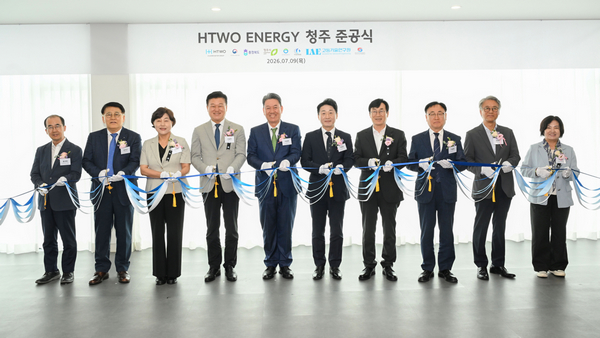
Gang Hyun Seo, President and Head of Corporate Planning at HYUNDAI Motor Group, stated that the project demonstrates a development model that utilizes local waste resources to produce hydrogen and serve the local community. In the future, the Group will build on the Cheongju project to promote the implementation of this model in more regions.
The project has received support from South Korea’s Ministry of Environment. As a key hydrogen logistics hub in South Korea, Cheongju has been selected for the Ministry of Land, Infrastructure and Transport’s “Hydrogen City Creation Project” and will play a greater role in the future in terms of hydrogen infrastructure development and the promotion of fuel cell vehicles.
Currently, HTWO ENERGY Cheongju has a daily hydrogen production capacity of approximately 500 kilograms, sufficient to meet the refueling needs of about 100 all-new NEXO fuel cell vehicles or 30 hydrogen fuel cell buses. The complex also houses the Hydrogen Academy, which showcases HYUNDAI Motor Group’s HTWO hydrogen brand, waste-to-hydrogen technology, and applications within the hydrogen ecosystem.
According to the plan, as the local organic waste treatment system continues to improve, the daily hydrogen production capacity of HTWO ENERGY Cheongju will increase to 2 metric tons by 2030, further enhancing the self-sufficiency in hydrogen for Cheongju and the surrounding areas.
In addition to the South Korean project, HYUNDAI Motor Group is also advancing waste-to-hydrogen projects in Indonesia and Hong Kong, China, utilizing local resources such as landfill gas and biogas to produce hydrogen. The Hong Kong project plans to supply hydrogen to tour buses and airport shuttle buses, while the Indonesia project aims to produce hydrogen from landfill biogas to provide clean energy solutions for the local and surrounding markets.
-
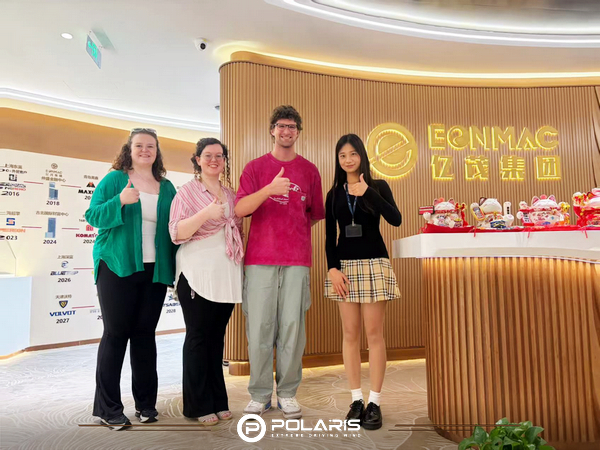
Algeria Customer Visited POLARIS OfficeJul 14, 2026
-
Strengthening Global Partnerships: Clients Visit POLARISMar 12, 2026
-
POLARIS Hosts International Clients for Business ExchangeMar 12, 2026
-
Overseas Partners Visit POLARIS for Factory TourMar 12, 2026
-
International Clients Visit POLARIS to Strengthen Strategic CooperationMar 12, 2026








 +86-21-6109-6368
 +86-21-6109-6368
 +86-159-5895-5352
 Suite 5506, Shanghai Tower, No. 501 Yincheng Middle Road, Pudong New Area, Shanghai 200120, China